Management of Round Ligament Pain in Pregnancy

Round ligament pain is a common occurrence during the progression of a normal pregnancy. Women often begin to experience it during the second trimester, but it can certainly occur earlier in gestation, especially if it is not your first pregnancy. Sometimes round ligament pain can be managed and pain improves over time, other times it lingers through the remainder of pregnancy. In this post, we’re going to cover what the round ligament is, why it can become painful, and what you can do to reduce or manage the associated pain.
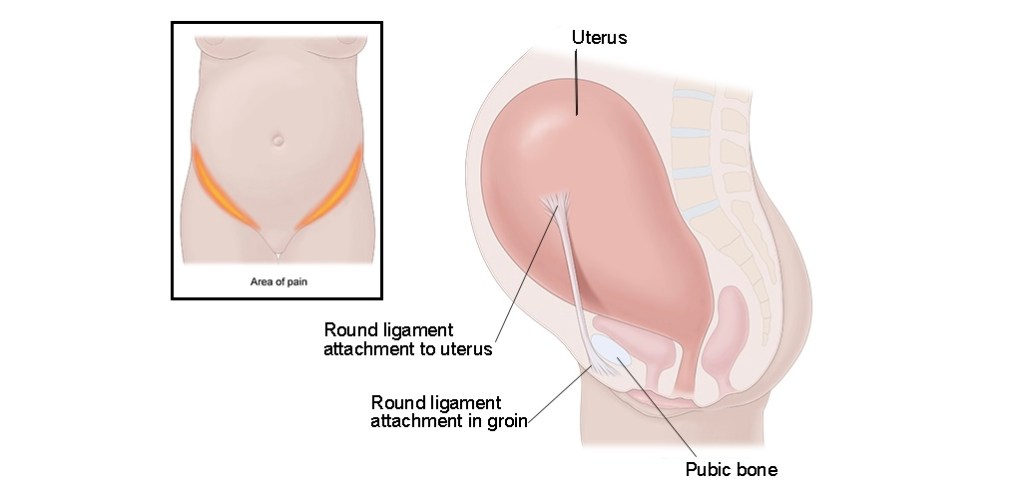
What is the round ligament?

This ligament is connective tissue that looks and functions a bit like a rope tethering your uterus to your pelvic bones. There is one on each side of your uterus and its main job is to support the uterus and hold it in place. The round ligaments stretch from their normal length of 2” to almost 12” at full term.

Why does it hurt? And what does it feel like?

As the uterus grows over the course of a pregnancy, the ligaments are under more stress and strain due to being stretched. Additionally, when the uterus is nearing full term, the deep abdominal muscles are also stretched and therefore less able to help support the weight and position of the uterus, which further strains the round ligaments.

Round ligament pain can usually be described as a sudden sharp pain on one side of the lower abdomen. It often occurs when Mom has made a sudden reaching or twisting movement, like when getting out of bed or out of the car.

What can I do about managing this pain?

Although round ligament pain can be persistent (and hurts like a bitch!), there are a few options for addressing the source of it and reducing pain. Here are my 3 recommendations for managing round ligament pain:

1. Strengthen your abdominal muscles

As mentioned above, once your uterus is big enough expand out of your pelvis, the round ligaments rely on the abdominal muscles for extra support. Unfortunately, it is not uncommon during pregnancy to lose strength in our core as the muscles are also stretched to their limits. Ensuring you keep your abdominal muscles engaged and strong as your belly grows can make a big difference in reduce the strain on your round ligaments. The first step to stronger abs during pregnancy is improving the mind-muscle connection and activating the deep layers of your core. Once you master that, you want to progressively challenge those muscles to gain strength!

Click here to learn more about Strength in Pregnancy, one of Naptime Fitness’ signature programs.

2. Consider posture during daily activities

Because strengthening muscles takes time, awareness of how you move your body during regular daily activities can be a helpful tool in the meantime. Making sure not to twist your torso too quickly or make sudden reaching movements can greatly reduce the occurrence of round ligament pain. Learning to engage your deep core muscles before changing positions (like when getting in or out of bed, getting up off the floor or couch, etc) can reduce pain by using your muscles for extra support of your uterus/baby instead of solely the round ligaments.

1. See a pelvic floor physical therapist

Pain can often have many factors that contribute to its existence or severity. A pelvic floor PT will be able to evaluate your pain and determine what else could be influencing it in your specific body. Round ligament pain is not typically indicative of a larger problem, but it could easily be confused with other abdominal aches or pains that should be evaluated, such as pubic symphysis dysfunction, hip injuries, and Braxton hicks contractions.

Round ligament pain is not typically very long lasting and can often be relieved by resting or gentle massage. If you’re experiencing pain that’s not getting better, or getting worse, please contact your medical provider.

If you’re pregnant and want to reduce all sorts of aches and pains (including round ligament pain, low back pain, and shoulder pain) through efficient AF strength training at home, check out our weekly workout plans in Strength in Pregnancy, as well as other free resources and content on Instagram!
Why Your Warm-ups Matter More in Pregnancy

Why do your warm-ups matter in pregnancy? Well, for the same reasons they matter when you’re not pregnant, just to an amplified degree! Let’s take a look at a few physiological changes that happen in the pregnant body and how they might impact your workouts.

Synovial fluid

Synovial fluid is a lubricant for joint surfaces where two bones meet and move against each other. It also contributes to joint stability by forming a seal between the two neighboring bones. During pregnancy, the production of synovial fluid decreases, which causes bones to sit more closely together at their joints while also lacking the supporting provided by the normal seal created by synovial fluid. Performing a proper warm-up before each workout may help to prevent joint related injuries by preparing these closely-seated joints to become temporarily better lubricated.

Relaxin

The hormone Relaxin is produced in higher amounts during pregnancy, and remains elevated until the placenta is delivered at birth. The effects it has on your joints and ligaments can remain in the body for months postpartum, until new tissues are formed in the absence of high Relaxin levels. The main role of the prenatal increase in Relaxin is to loosen pelvic ligaments and connective tissue to facilitate birth, but there is evidence of its affects in other nearby joints, like the hips and knees. This has proven to be correlated to an increase in musculoskeletal injuries. Inlcuding a warm-up period before any activity can greatly reduce the chance of injury due to Relaxin’s effects on the pelvic, hip, and knee joints by preparing your muscles to perform well and support the otherwise loosened joints.

Blood volume

Another effect of the production of Relaxin is that the blood vessels throughout the body relax and expand in preparation for increasing blood volume needed to sustain mom and baby throughout pregnancy. During the first trimester, the size of the blood vessels often increases faster than the amount of blood volume. This causes mom to be in a state of ‘underfill’, which is essentially a sustained state of low blood pressure. This can cause dizziness and lightheadedness, and can even contribute to nausea. Ensuring a warm-up period before each workout helps alleviate these symptoms by giving mom’s heart a chance to get more blood pumping before it gets redirected to the muscles during exercise.

While there is no definitive amount of warm-up time proven to be most effective, it is generally agreed upon that anywhere from a few minutes to 10 minutes is an adequate amount of movement to counteract these three issues that pregnant women face during exercise. It is of greatest importance if you are an early bird and get your workouts started right after rolling out of bed. For others, who have already had a significant amount of daily activity, it is more acceptable to err on the shorter side of the suggested warm up time frame with little/no increased risk.

I hope this was informative and as always I’d love if you share this resource with someone else who you think could benefit from it!

Get movin’, Momma!

What is Diastasis Recti?

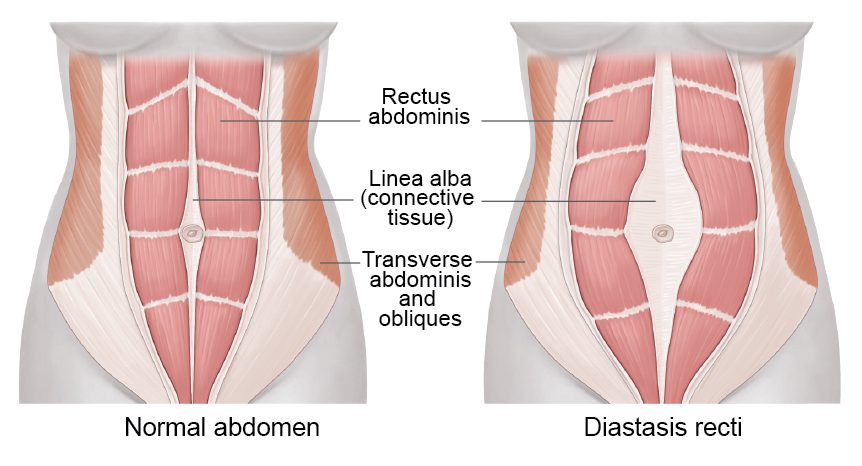
Diastasis Recti is one of the hottest topics in the prenatal/postpartum fitness industry. It is something that can often be villainized and overcomplicated, but at the same time it does deserve some time in the spotlight. Every woman will undergo some amount of diastasis during pregnancy- there’s just no way around it.

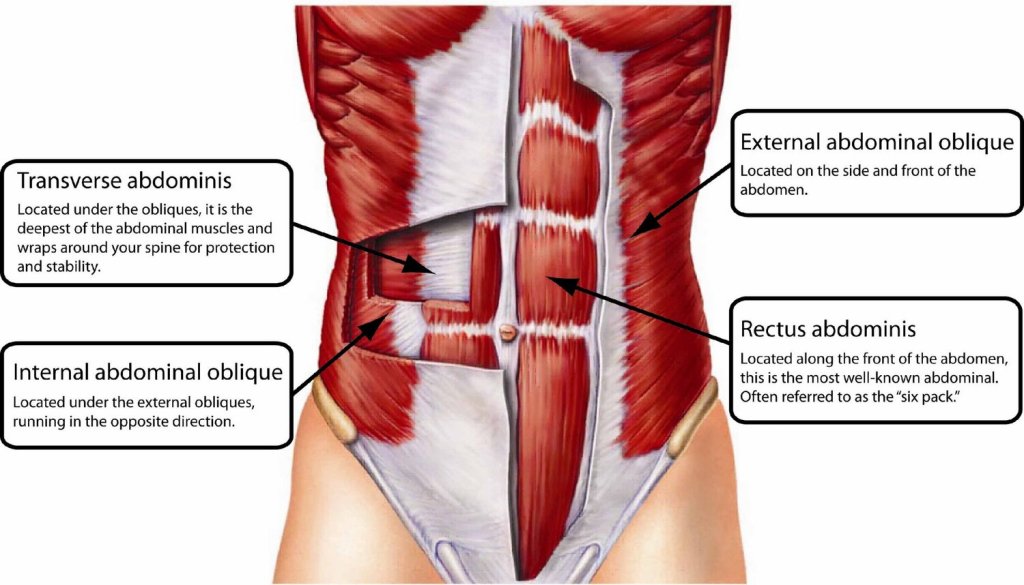
Lets start with getting to know the layers of your abdominal muscles. The four main muscle groups are the Rectus Abdominus, the External Obliques, the Internal Obliques, and the Transverse Abdominus. All of these muscles come together at your midline, called the linea alba, where connective tissue joins them together. During pregnancy, these muscles and connective tissue all stretch as baby grows within your abdomen, but at some point, when the abdominal muscles reach the limits of their elasticity, the connective tissue is forced to separate to accommodate the baby. This separation, or gap, is what we Diastasis Recti.

The degree of separation is dependent on several factors, some of which are under our control, some obviously are not. Engaging and strengthening the deeper layers of abdominal muscles in the correct ways during pregnancy actually decreases the occurrence and width of Diastasis Recti and improves the postpartum recovery.

The 6 main influences on the degree of separation are:

  • Mother’s age, and the general elasticity of her connective tissue
  • The amount of overall space in the mother’s thoracic cavity
  • Weight gain/baby’s size during pregnancy
  • Time frame between pregnancies, if applicable
  • Abdominal strength before and after pregnancy
  • Proper muscle engagement during daily activities.

If you are in the postpartum period (which is forever, by the way, after you have a baby), take heart and know that there are proven, actionable steps to heal your diastasis. No matter if you are 5 days postpartum or 15 years postpartum, there are things you can do to improve your core strength and improve or heal your diastasis.

The best starting point, no matter your stage or age, is in learning proper core engagement. Learning how to recruit and strengthen your pelvic floor and core muscles (during exercise and during everyday activities) as well as honing your breathing mechanism will lead to a combined effect that allows your body to regain its natural mind-muscle connection and support the healing of Diastasis Recti.

I hope this explanation was helpful, but more importantly, encouraging! If you know someone who could benefit from this information, it would mean the world to me if you share this post with them!

Now get out there and get ready for the ultimate mission of motherhood!

With care,

Kristen

Chocolate chip cookie dough hummus

This is a super quick recipe that I love to make for afternoon snack time, or as part of lunch for me and my kids. I usually serve it with pretzels, graham crackers, or apple slices.. but have also been known to just go straight in the food processor with a spoon. It’s delicious and actually quite filling, which makes it perfect for satisfying hangry toddlers (and moms). And more importantly, it won’t leave you with a stomachache like actual cookie dough does (yes, even the stuff specially made so you can safely consume it raw.)

What you’ll need:

  • 1 (15oz) can of garbanzo beans, drained and rinsed
  • 2 Tbsp honey
  • 2 Tbsp nut butter (I’ve used almond and cashew – they’re both delish!)
  • 1 tsp vanilla extract
  • 1/4 tsp baking powder
  • 1/8 tsp salt
  • 1/4 cup mini chocolate chips (or as much as your heart desires)

After draining and rinsing the garbanzo beans, dump them in a food processor and add all the other ingredients, except for the chocolate chips. Process until it reaches a smooth consistency, transfer to bowl or storage container, and stir in desired amount of mini chocolate chips. It stores well in the refrigerator for 5-7 days, though it never lasts nearly that long at our house!

*A note about homemade hummus: Some recipes claim that pulling the skin off of the garbanzo beans leads to a smoother texture in your finished product. I honestly have not tested this theory, nor do I care to, mainly because I enjoy how it tastes without spending the 10 minutes it takes to perform that tedious task. But if tedious is what you love – I say go for it!

Must-have Baby Skincare Products

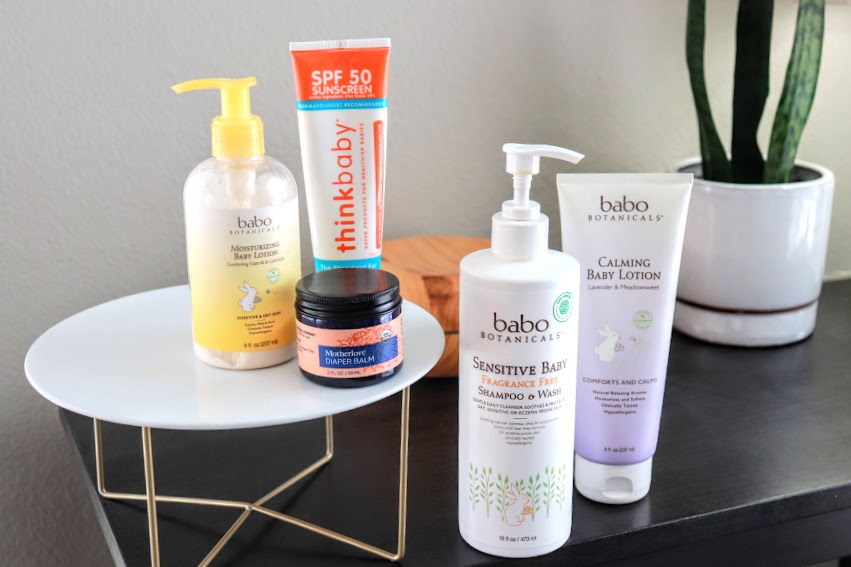
This lineup is my absolutely must-have baby skincare products. We always try to choose household products with little or no harmful ingredients, but this is especially important to me when choosing skincare products that are slathered all over our kids’ sensitive skin! I use all of these products either on my kids or myself almost daily. Even so, they all seem to last us quite a while. I find they are so effective that I don’t have to use a ton at a time. The shampoo, for instance, I only use about a penny size portion to wash both my 3yo and 1yo from head to toe!

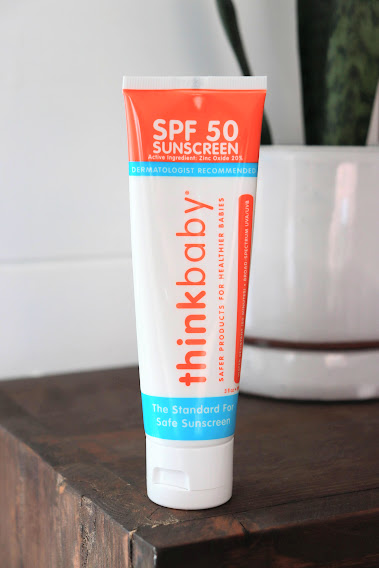
This non-nano mineral sunscreen provides protection from UVA/B rays, is free from biologically harmful chemicals, is water resistant for 80 min, applies easily and smells wonderful with no synthetic fragrance.

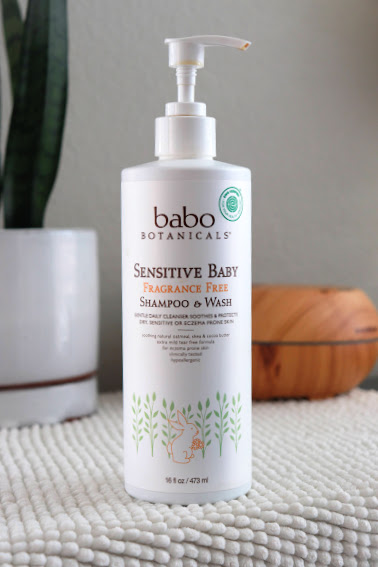
This extra mild baby wash and shampoo is hypoallergenic and perfect for daily use on sensitive skin. This large 32oz bottle lasts us at least half a year, even with bathing two kids every day!

Babo Botanical’s lotion formulas are rich in vitamins and antioxidants, contain no harmful chemicals, making them great for sensitive skin!

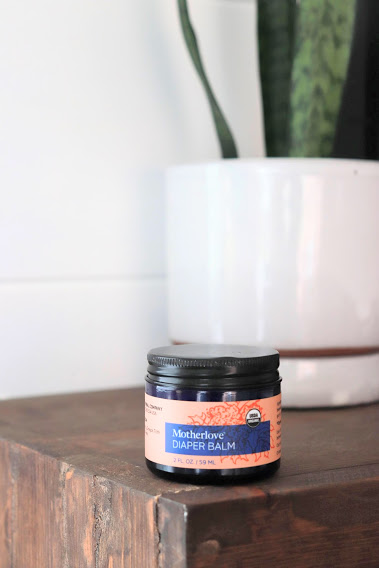
This organic balm contains antifungal and antibacterial herbs to heal rashes, plus olive oil, beeswax, and calendula to protect the skin. It absorbs quickly, doesn’t leave residue, and is safe for use with cloth diapers.